
Oct
06
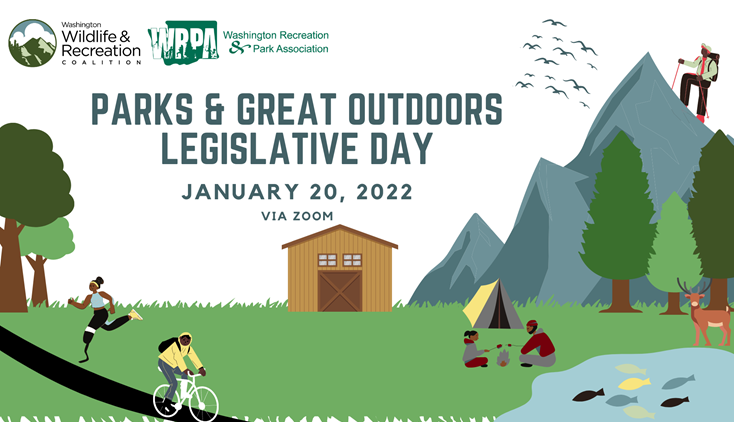
Want to help preserve Washington's astounding natural beauty and unparalleled quality of life? Want to ensure ALL Washingtonians have equal access to the parks, trails, and wild areas that make this such a special place?
Well, here's your chance! Join us in requesting Full Funding for the Washington Wildlife and Recreation Program (WWRP), the premier grant fund for protecting our state's natural spaces and creating recreational opportunities for all. This sign-on letter will go to the Governor and Legislature, demonstrating the public demand for outdoor recreation opportunities!



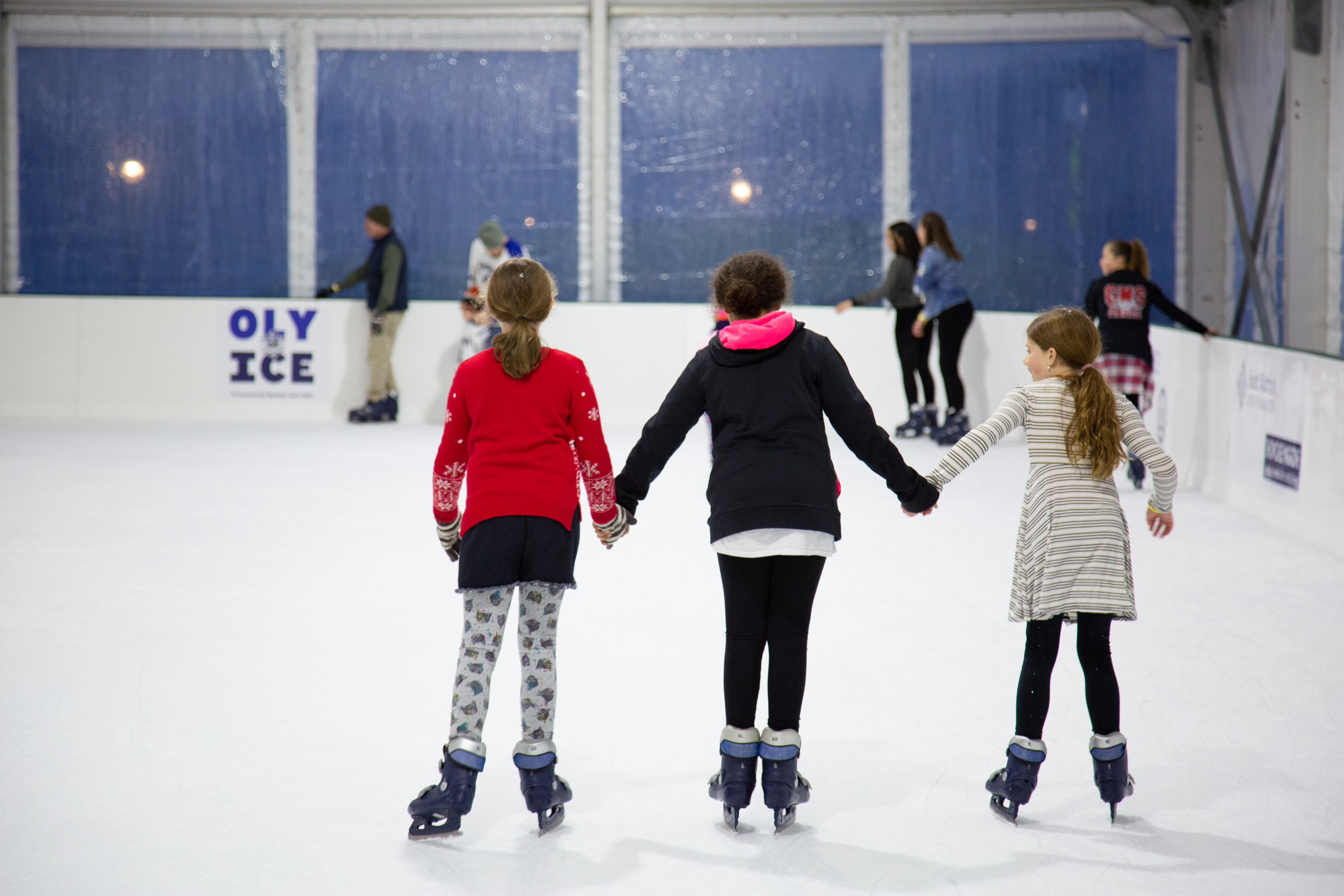
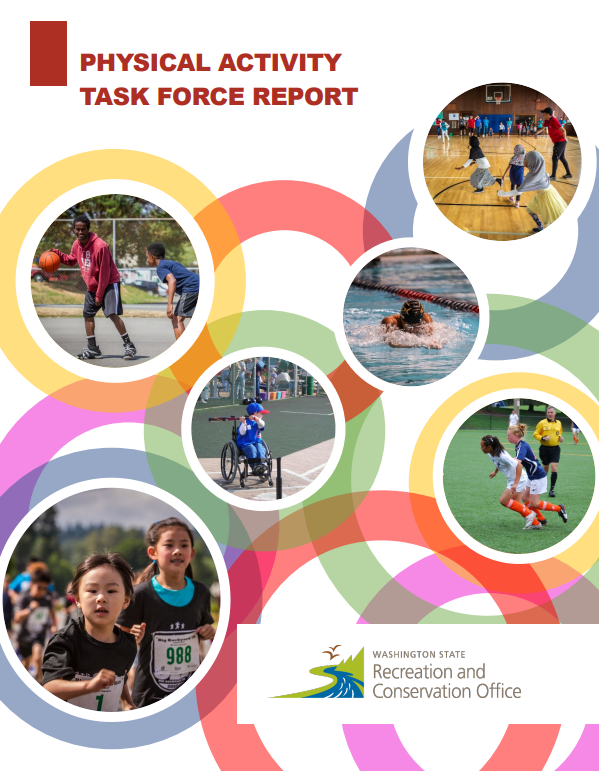 Kids in Washington are not moving nearly enough, the task force noted in its new
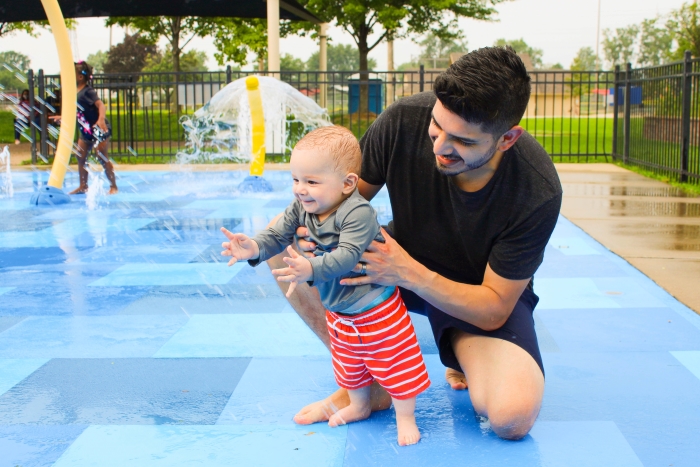 Playgrounds and splash pads are designed with very similar intentions in mind. Both provide play features and open spaces that encourage imaginative exploration, running, and risky play opportunities. Playgrounds feature spring riders, slides, and play panels whereas splash pads feature spray jets, dump buckets, and water slides. Where playgrounds are generally dry, splash pads feature constantly flowing water. However, where playgrounds require safety surfacing, splash pads are still being commonly surfaced with concrete, tile, or stone. If splash pads are essentially wet playgrounds (leaving visitors more prone to accident and injury), how are hard, slick surfacing options still permitted?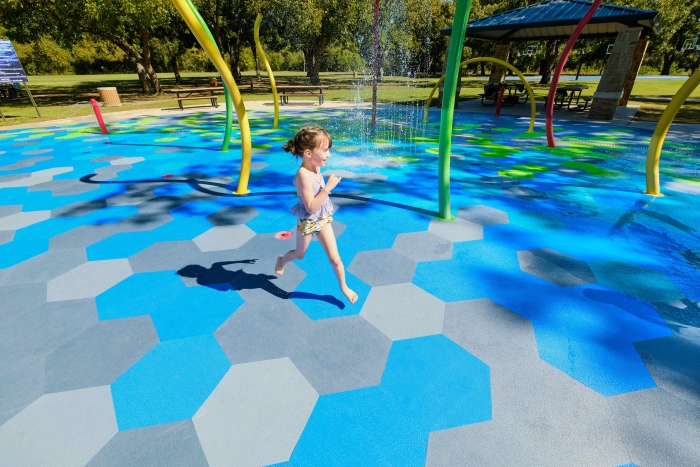
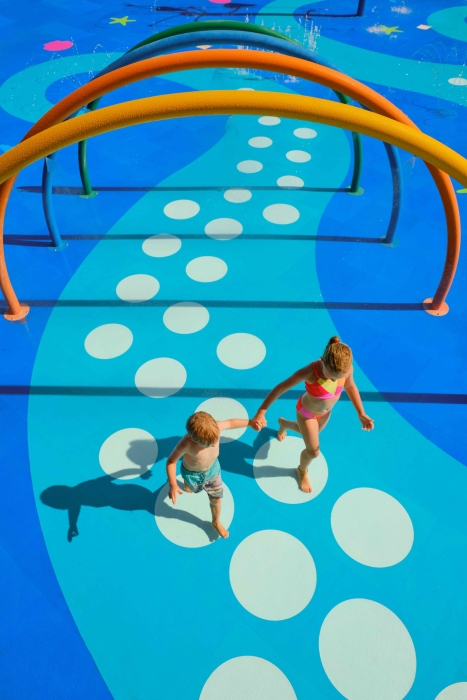 Everyone experiences play in different ways. It’s the reason why there isn’t just one type of spray feature or just one type of pool. Aquatic environments are always changing and adapting to new trends and regulations in the industry. Likewise, aquatic facility directors and operators are constantly evaluating updates that will deliver increased value to their guests and members. In order to provide features that appeal to a wide variety of individuals, facility staff members need to choose what combination of elements will allow for limitless play for their intended audiences.
 Some of the best ideas must ripen on the shelf before they can be enjoyed. Director of Recreation and Facilities at the